+91-77779-32255
Dermavistaclinic@gmail.com
October 15, 2026 lalitbansal004 No Comments

Skin, Hair & Laser Care Under One Roof in Sri Ganganagar

Healthy skin, stronger-looking hair, and the confidence to feel comfortable in your own skin begin with the right care. But when you are dealing with persistent acne, pigmentation, hair fall, unwanted hair, or other skin and hair concerns, finding the right professional guidance can feel overwhelming. Should you consult a dermatologist for acne? Is your hair fall related to stress, nutrition, hormones, or another cause? Which laser treatment may be suitable for your skin? And how do you know whether a skincare treatment is right for you? At Dermavista – Hair | Skin | Laser | Aesthetics in Sri Ganganagar, Rajasthan, the focus is on helping individuals understand their skin and hair concerns and explore appropriate treatment options through professional assessment and personalized care. With dedicated services covering skin, hair, laser, and aesthetic concerns, Dermavista offers a convenient place to discuss a range of dermatological and cosmetic needs with qualified professionals. If you are searching for a skin specialist in Sri Ganganagar, hair treatment in Sri Ganganagar, or laser treatment in Sri Ganganagar, this guide explains what to consider when choosing a clinic and how professional skin and hair care can fit into your routine. Why Choose a Clinic for Skin, Hair & Laser Care Under One Roof? Skin, hair, and aesthetic concerns are often connected to several factors, including genetics, hormones, lifestyle, environmental exposure, medical history, and everyday care habits. For example, hair thinning may have different causes in different individuals. Pigmentation can develop due to sun exposure, inflammation, hormonal changes, or other conditions. Similarly, acne may require a different approach depending on its severity, the presence of scarring, and the individual’s skin type. A clinic offering a range of skin, hair, and laser services can make it easier to discuss these concerns in one setting and understand which professional services may be appropriate. 1. Convenient access to different treatment options Instead of choosing treatments based only on online trends or product recommendations, patients can discuss their concerns with a qualified professional and learn about suitable options. Depending on the assessment, this may include medical skin care, hair-loss evaluation, selected laser procedures, or other dermatologist-recommended treatments. 2. Personalized care rather than a one-size-fits-all approach Two people with similar symptoms may need different treatment plans. Skin type, hair-loss pattern, medical history, current medications, and treatment expectations can all influence clinical decisions. A personalized approach begins with understanding the individual rather than recommending the same procedure to everyone. 3. Better understanding of treatment benefits and limitations Every treatment has specific indications, limitations, and possible side effects. A professional consultation can help you understand what a procedure is intended to address, what results may realistically be expected, how many sessions may be required, and what aftercare is necessary. The goal is not to pursue every available treatment. It is to identify the option that best fits your concern and clinical needs. Meet the Doctors at Dermavista, Sri Ganganagar Choosing a skin and hair clinic involves more than looking at a list of services. It is also important to understand who will assess your concerns and guide your care. At Dermavista, patients can consult: Dr. Abhijeet Vardhan – MD (Skin), Hair Transplant Surgeon & Skin Specialist. Dr. Sheena Arora – MD, DNB (Skin), Skin & Laser Specialist. Their respective qualifications and areas of practice help patients seek professional guidance for appropriate skin, hair, and laser-related concerns. A consultation can help establish whether a concern requires medical treatment, a cosmetic procedure, changes to an existing routine, or further evaluation. Skin Care in Sri Ganganagar: Addressing Common Skin Concerns Skin concerns can affect people of different ages and skin types. While some issues respond to consistent home care, others may require assessment by a dermatologist. At Dermavista, individuals can discuss skin concerns and learn which care options may be appropriate for them. Acne and recurring breakouts Acne can involve blackheads, whiteheads, inflamed pimples, and, in some cases, deeper lesions that may lead to scarring. Common contributing factors include hormonal changes, excess oil production, clogged pores, inflammation, and genetic predisposition. The role of each factor varies from person to person. Depending on the type and severity of acne, a dermatologist may recommend topical medication, oral medication where appropriate, a suitable skincare routine, or selected procedures. It is important not to squeeze inflamed pimples or use harsh products in an attempt to clear the skin quickly. Early assessment may help reduce the risk of persistent marks and scars. Pigmentation and uneven skin tone Dark spots and uneven pigmentation can develop for several reasons, including sun exposure, acne-related inflammation, melasma, and other skin conditions. Because these concerns can look similar, identifying the likely cause is an important first step. Depending on the diagnosis, management may involve sun protection, topical treatments, selected chemical peels, or other procedures where clinically appropriate. Daily sunscreen use is an important part of managing many pigmentation concerns. However, sunscreen alone may not resolve every existing pigmentary condition. If pigmentation is persistent, spreading, or changing, seek professional assessment rather than experimenting with multiple products. Acne marks and acne scars Acne marks and acne scars are not the same. Flat marks left after a breakout may gradually fade, although the process can take time. True acne scars involve changes in the skin’s texture and may require a different treatment approach. A dermatologist can assess the type and depth of scarring before discussing options such as selected chemical peels, microneedling-based procedures, or other treatments when appropriate. Treatment choice depends on the individual’s skin, scar pattern, active acne status, and medical history. Improvement may require multiple sessions, and complete removal of scars cannot be guaranteed. Skin hydration, texture, and overall skin health Dryness, rough texture, dullness, and sensitivity can have different causes. Weather, cleansing habits, sun exposure, skin conditions, and the use of unsuitable products may all contribute. A simple routine usually starts with a gentle cleanser, a suitable moisturizer, and broad-spectrum sunscreen during the day. Additional products should be selected according to individual needs. Professional skin

October 10, 2026 lalitbansal004 No Comments

Hair Fall Treatment in Sri Ganganagar: When Should You See a Dermatologist?

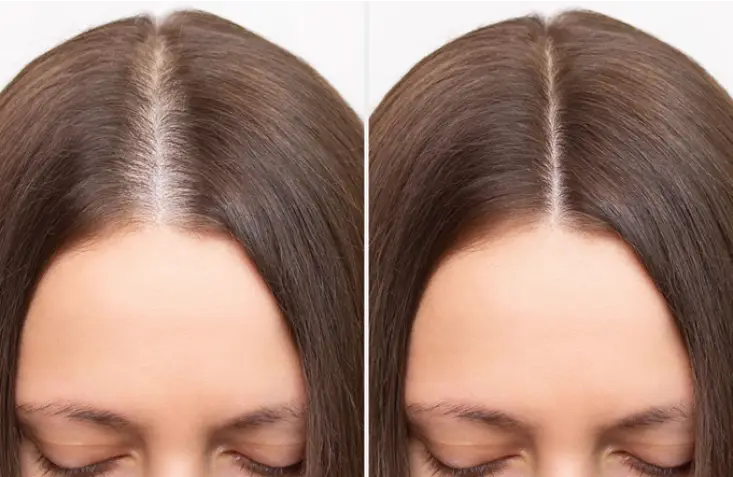
Hair fall is a common concern among men and women, but when shedding becomes persistent, the hairline starts receding, or the scalp begins to show through thinning hair, it may be time to seek professional advice. If you are looking for hair fall treatment in Sri Ganganagar, understanding the possible causes of hair loss is the first step towards choosing an appropriate treatment. Hair fall can be associated with genetics, stress, nutritional deficiencies, hormonal changes, scalp conditions, certain illnesses, or hair-care practices. The right approach depends on identifying the underlying cause rather than simply trying another shampoo or hair oil. At Dermavista – Hair | Skin | Laser | Aesthetics, Dr. Abhijeet Vardhan, MD (Skin), Hair Transplant Surgeon & Skin Specialist, provides hair and scalp evaluation to help patients understand their hair concerns and explore suitable treatment options. In this guide, we explain when hair fall may need medical attention, how a dermatologist evaluates hair loss, and which treatment approaches may be considered. Is Hair Fall Normal or a Sign of a Problem? Losing some hair every day is a normal part of the hair growth cycle. According to the American Academy of Dermatology, losing around 50–100 hairs daily can be normal for many people. However, the amount of hair shedding alone does not always determine whether a person has a hair loss condition. You should pay attention to changes in your usual hair density, hairline, scalp visibility, or the pattern of shedding. For example, you may notice: More hair than usual on your pillow, comb, or in the shower. A widening parting or a thinner ponytail. A receding hairline around the forehead or temples. Gradual thinning around the crown. Small, clearly defined bald patches. Hair that breaks easily or appears increasingly fragile. These changes can have different causes. A dermatologist can assess whether you are experiencing temporary shedding, progressive hair thinning, hair breakage, or another scalp or hair condition. Common Causes of Hair Fall Understanding the cause of hair loss is essential because different conditions may require different treatments. Hereditary Hair Loss Genetic hair loss, also known as androgenetic alopecia, is a common cause of progressive thinning in men and women. In men, it may begin with a receding hairline, thinning around the temples, or reduced density at the crown. In women, it may appear as a widening parting or diffuse thinning across the scalp. Hereditary hair loss can develop gradually, and early changes may be easy to overlook. A dermatologist can assess the pattern of thinning and discuss options that may help manage the condition. Stress and Recent Illness Significant physical or emotional stress can sometimes trigger increased hair shedding. This may occur after a high fever, major illness, surgery, or another substantial physical stressor. This type of shedding can develop several weeks or months after the triggering event. In many cases, it improves as the underlying trigger resolves, although the recovery period varies. If shedding is persistent, severe, or accompanied by visible thinning, a professional assessment can help determine whether another cause is also present. Nutritional Deficiencies Insufficient intake or low levels of certain nutrients, including iron, can contribute to hair loss in some people. Restrictive diets, rapid weight loss, or inadequate protein intake may also affect hair health. However, hair fall does not automatically mean you have a vitamin deficiency. Taking supplements without confirming a deficiency may be unnecessary and can sometimes be harmful. A dermatologist may recommend appropriate blood tests when your history or examination suggests a nutritional concern. Hormonal Changes and Medical Conditions Hormonal changes, thyroid disorders, certain medical conditions, and some medications can contribute to hair shedding or thinning. Women may notice changes around pregnancy, after childbirth, or during other hormonal transitions. Persistent hair loss accompanied by irregular menstrual cycles, significant acne, or other new symptoms may warrant further evaluation. Your doctor can decide whether additional medical assessment or laboratory testing is appropriate. Scalp Conditions Dandruff, inflammation, fungal infections, and certain inflammatory scalp disorders can affect scalp health and, in some cases, contribute to hair loss. Symptoms such as persistent itching, redness, scaling, tenderness, or painful areas should not be ignored. Some scalp conditions require specific treatment to prevent ongoing inflammation or hair damage. Hair-Care Practices and Hair Breakage Frequent heat styling, chemical processing, rough brushing, and hairstyles that pull tightly on the hair can cause breakage or traction-related hair loss. Hair breakage and hair shedding are not the same thing. Breakage occurs when the hair shaft snaps, whereas shedding involves hairs being released from their follicles. Identifying the difference helps determine whether changes in hair-care habits, medical treatment, or both may be needed. When Should You See a Dermatologist for Hair Fall? You do not need to wait until a bald patch becomes obvious before seeking advice. Consider consulting a dermatologist if you notice any of the following: Persistent or Increasing Hair Shedding If hair fall continues beyond your usual pattern or you notice progressively less hair density, an evaluation can help identify possible causes. A Receding Hairline or Thinning Crown Gradual thinning around the temples, forehead, or crown may indicate hereditary hair loss. Early assessment can help you understand the pattern and available treatment options. Sudden or Patchy Hair Loss Sudden hair loss, clearly defined bald patches, or rapid changes in hair density deserve prompt medical evaluation. Scalp Itching, Pain, or Inflammation Hair loss accompanied by redness, scaling, burning, tenderness, or other scalp symptoms may indicate an underlying condition that needs treatment. Hair Fall After an Illness or Major Stress If shedding begins after a major illness, surgery, rapid weight loss, or another significant event, a dermatologist can assess whether it may be temporary or whether additional factors are involved. No Improvement Despite Hair Products If you have tried several shampoos, oils, supplements, or over-the-counter products without improvement, consider getting the cause assessed instead of continuing to change products. The American Academy of Dermatology recommends identifying the cause of hair loss because the appropriate treatment depends on the type of

How Mesotherapy Can Help with Thinning Hair and Poor Scalp Health?

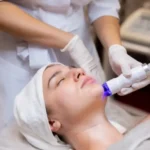
How Mesotherapy Can Help with Thinning Hair and Poor Scalp Health? Thinning hair and poor scalp health are increasingly common issues that affect both men and women across age groups. Whether caused by stress, genetics, hormonal imbalance, or poor lifestyle habits, hair thinning can lower confidence and self-image. While many products promise miracles, few treatments target the root cause effectively. Mesotherapy, however, is emerging as a scientifically-backed, minimally invasive solution that rejuvenates the scalp and encourages healthy hair regrowth. In this blog, we’ll dive into what mesotherapy is, how it works, its benefits, treatment expectations, and how it compares to other hair restoration techniques. What is Mesotherapy for Hair? Mesotherapy is a non-surgical cosmetic procedure that involves the injection of nutrient-rich liquids directly into the scalp. These microinjections deliver a customized cocktail of vitamins, enzymes, amino acids, and plant extracts directly to the middle layer of the skin (mesoderm), which is where the hair follicles reside. By nourishing this layer, mesotherapy boosts blood circulation, stimulates collagen production, strengthens hair roots, and improves scalp health. Key Ingredients Used in Hair Mesotherapy Ingredient Function Biotin Improves keratin structure and boosts hair growth Hyaluronic Acid Retains moisture, hydrates scalp Amino Acids Strengthens hair follicles, promotes collagen production Zinc Zinc Controls oil production and supports healthy follicle function Vitamins B1, B3, B5, B6 Enhance scalp metabolism, repair tissue, prevent hair thinning Plant Extracts Reduce inflammation, stimulate natural healing How Mesotherapy Works on Thinning Hair Stimulates Blood Circulation Poor blood circulation to the scalp often causes follicles to shrink or become inactive. Mesotherapy enhances microcirculation, ensuring that hair follicles receive the oxygen and nutrients they need to survive and thrive. Nourishes Hair Follicles Directly Unlike topical serums or oils that struggle to penetrate the scalp’s layers, mesotherapy delivers active ingredients directly into the mesoderm. This precise delivery results in faster and more noticeable improvements. Balances Hormonal Influence on Scalp Mesotherapy can counteract the effect of DHT (Dihydrotestosterone)—a hormone responsible for androgenetic alopecia (pattern baldness). Certain formulas inhibit DHT production locally, slowing hair loss. Improves Scalp Health Dry, flaky, or inflamed scalp can interfere with healthy hair growth. Mesotherapy rehydrates and soothes the scalp, creating a fertile ground for hair regeneration. Who Can Benefit from Hair Mesotherapy? Mesotherapy is suitable for both men and women suffering from: Early signs of thinning hair Telogen effluvium (temporary hair loss after stress or illness) Androgenetic alopecia Alopecia areata (patchy hair loss) Dry or oily scalp with dandruff Weak, dull, or brittle hair Post-pregnancy or hormonal hair fall Note: While mesotherapy can significantly slow hair loss and improve quality, it may be less effective on completely bald areas. What to Expect During and After the Procedure Session Details Description Duration 30 to 60 minutes per session Pain Level Minimal discomfort; numbing cream may be used Frequency Usually 6–8 sessions spaced 1–2 weeks apart Downtime None to minimal; slight redness or tenderness may occur Visible Results Generally noticeable after 3rd or 4th session Maintenance Monthly or quarterly sessions recommended for lasting results Tips to Enhance Mesotherapy Results Eat a protein-rich diet to support keratin production Avoid harsh shampoos with sulfates and parabens Stay hydrated to promote scalp hydration Massage your scalp regularly to encourage circulation Manage stress through yoga, meditation, or hobbies Avoid heat styling tools during your treatment cycle Realistic Expectations: Mesotherapy is Not a Miracle, But a Method It’s important to understand that mesotherapy doesn’t create new hair follicles. Instead, it rejuvenates existing ones, enhances the growth environment, and significantly improves hair density, thickness, and scalp health. Consistency and post-care are key for achieving and maintaining results. Is Mesotherapy Safe? Yes, mesotherapy is considered safe when performed by trained professionals. Side effects are minimal and may include slight itching, redness, or swelling, which typically subside within a few hours. At reputable aesthetic centers, sterile techniques and medically approved substances are used to minimize risks. Choose the Right Clinic for Mesotherapy Conduct scalp analysis before recommending treatment Customize the meso-cocktail based on individual needs Use CE or FDA-approved serums and equipment Offer follow-up support and scalp care guidance Visit us at Aashirwad Hospital, Sukharia Nagar, Sri Ganganagar +91 77779 32255 At Dermavista , our expert team specializes in non-surgical hair restoration techniques like Mesotherapy. We offer personalized consultations, advanced treatment protocols, and visible results you can trust. Let your journey to fuller, healthier hair begin today!