+91-77779-32255
Dermavistaclinic@gmail.com
November 4, 2026 lalitbansal004 No Comments

Pre-Bridal Skin Consultation in Sri Ganganagar – Prepare Your Skin for Your Big Day!

Your wedding day is one of the most memorable occasions of your life. From choosing the perfect outfit and jewellery to planning your makeup, hairstyle and wedding photography, every detail deserves attention. But have you thought about preparing your skin well before the big day? Many brides-to-be start thinking about skincare only a few weeks before their wedding. They experiment with new products, book last-minute facials or try trending beauty treatments hoping for instant results. However, healthy-looking skin requires more than a last-minute beauty routine. A pre-bridal skin consultation in Sri Ganganagar can help you understand your skin type, identify specific concerns and explore suitable skincare and dermatological treatment options before your wedding. At Dermavista – Hair | Skin | Laser | Aesthetics, Dr. Sheena Arora (MD, DNB – Skin), Skin & Laser Specialist, provides personalized dermatology consultations to help brides-to-be make informed skincare decisions. Whether you are concerned about acne, pigmentation, uneven skin tone, dullness, dehydration or skin texture, planning your skincare journey early can help you approach your wedding preparations with greater confidence. Let’s understand why pre-bridal skin consultation matters and how to prepare your skin for your special day. Why Is Pre-Bridal Skin Consultation Important? Every bride has different skin concerns, skin types and skincare requirements. A treatment that works for one person may not be suitable for another. For example, a bride dealing with acne and acne marks may require a different skincare approach than someone experiencing pigmentation, tanning or dry and dehydrated skin. A pre-bridal skin consultation helps identify these differences before choosing any treatment. Here are some important reasons to consider consulting a dermatologist before your wedding: 1. Understand Your Skin Type and Concerns The first step towards better skincare is understanding your skin. During a dermatology consultation, your skin specialist can assess whether your skin is oily, dry, combination or sensitive and identify concerns that may require attention. This helps create a skincare routine based on your individual requirements instead of following random beauty trends. 2. Address Skin Concerns in Advance Concerns such as acne, pigmentation, acne marks, uneven skin tone and rough texture may require consistent skincare or professional treatment. Starting early gives your dermatologist more time to assess your skin, recommend suitable options and monitor how your skin responds. 3. Choose Suitable Professional Treatments There are several professional skin treatments available, including HydraFacial, chemical peels and selected laser procedures. However, not every treatment is suitable for every bride. A dermatologist can help determine which treatments may be appropriate based on your skin type, concerns, medical history and wedding timeline. 4. Avoid Last-Minute Skincare Experiments Trying unfamiliar skincare products or aggressive treatments shortly before your wedding can sometimes cause irritation, breakouts or unexpected skin reactions. Professional guidance helps you avoid unnecessary experiments and follow a more structured skincare plan. 5. Plan Your Wedding Skincare Timeline Some treatments require multiple sessions, while others may involve redness, peeling or recovery time. An early consultation helps you understand the expected treatment schedule and plan your skincare around important wedding functions. Common Skin Concerns Brides-to-Be Should Discuss Before selecting any pre-bridal treatment, it is important to identify the skin concerns you want to address. Here are some common concerns that brides can discuss during a dermatology consultation. 1. Acne and Active Breakouts Acne is one of the common concerns among brides-to-be. Hormonal changes, stress, certain skincare products and other factors may contribute to breakouts. Active acne may appear as pimples, inflamed bumps, blackheads or whiteheads. Depending on the severity and type of acne, a dermatologist may recommend: A suitable acne-control skincare routine. Prescription topical treatments, where required. Oral medication for selected cases. Professional procedures for appropriate candidates. Guidance on preventing further breakouts. Avoid squeezing pimples or experimenting with harsh home remedies, especially before important wedding functions. 2. Acne Marks and Acne Scars Acne marks and acne scars are not the same. Post-acne marks are areas of discolouration that remain after pimples heal. Acne scars involve changes in the skin’s texture, such as depressions or raised areas. Their treatment depends on the type and severity of the concern. Depending on individual assessment, treatment options may include: Chemical peels for selected acne marks. Microneedling for suitable textural concerns. Fractional laser procedures for selected acne scars. Medical skincare to manage pigmentation. Not every acne scar responds to the same treatment. A dermatologist must first evaluate the type of scarring before recommending a procedure. 3. Pigmentation and Uneven Skin Tone Pigmentation is another common concern brides may want to address before their wedding. Dark patches, uneven complexion and stubborn pigmentation can have several causes, including sun exposure, hormonal influences, inflammation and melasma. Depending on the underlying cause, dermatologists may consider: Medical skincare for pigmentation management. Broad-spectrum sunscreen. Selected chemical peels. Appropriate laser-based procedures in suitable cases. Prescription treatments when necessary. Pigmentation treatment requires careful planning, particularly for Indian skin tones, because unsuitable procedures may sometimes worsen pigmentation. 4. Dull and Dehydrated Skin Does your skin frequently appear tired, rough or less radiant? Dehydration, dryness, environmental exposure and an unsuitable skincare routine may affect how your skin looks and feels. A dermatologist may recommend: Gentle cleansing. A suitable moisturiser. Hydrating skincare products. Regular sun protection. Professional hydration-focused treatments for suitable candidates. Maintaining a consistent skincare routine is often more useful than repeatedly switching products. 5. Open Pores and Uneven Skin Texture Visible pores and uneven skin texture can affect the appearance of the skin, especially under certain lighting and makeup. Pore visibility may be influenced by genetics, oil production, age and previous acne. Depending on your skin condition, treatment options may include selected topical products, chemical peels or other dermatologist-recommended procedures. It is important to understand that pores are a normal part of skin anatomy. Treatments may improve their appearance, but they cannot permanently eliminate pores. 6. Tanning and Sun Damage Sun exposure can contribute to tanning, uneven pigmentation and other visible changes in the skin. Brides who spend considerable time outdoors may benefit from discussing sun protection and pigmentation
October 15, 2026 lalitbansal004 No Comments

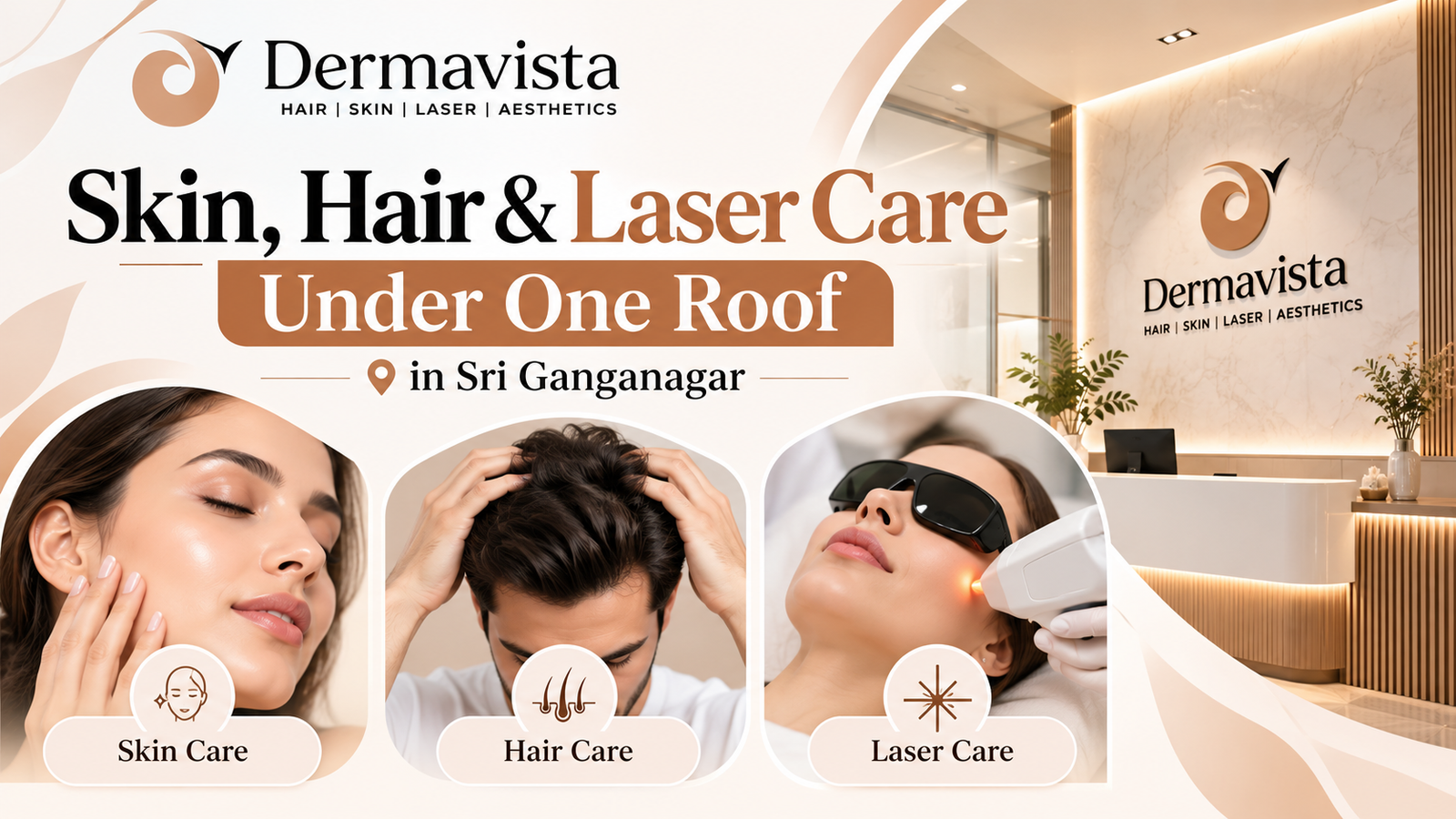
Skin, Hair & Laser Care Under One Roof in Sri Ganganagar

Healthy skin, stronger-looking hair, and the confidence to feel comfortable in your own skin begin with the right care. But when you are dealing with persistent acne, pigmentation, hair fall, unwanted hair, or other skin and hair concerns, finding the right professional guidance can feel overwhelming. Should you consult a dermatologist for acne? Is your hair fall related to stress, nutrition, hormones, or another cause? Which laser treatment may be suitable for your skin? And how do you know whether a skincare treatment is right for you? At Dermavista – Hair | Skin | Laser | Aesthetics in Sri Ganganagar, Rajasthan, the focus is on helping individuals understand their skin and hair concerns and explore appropriate treatment options through professional assessment and personalized care. With dedicated services covering skin, hair, laser, and aesthetic concerns, Dermavista offers a convenient place to discuss a range of dermatological and cosmetic needs with qualified professionals. If you are searching for a skin specialist in Sri Ganganagar, hair treatment in Sri Ganganagar, or laser treatment in Sri Ganganagar, this guide explains what to consider when choosing a clinic and how professional skin and hair care can fit into your routine. Why Choose a Clinic for Skin, Hair & Laser Care Under One Roof? Skin, hair, and aesthetic concerns are often connected to several factors, including genetics, hormones, lifestyle, environmental exposure, medical history, and everyday care habits. For example, hair thinning may have different causes in different individuals. Pigmentation can develop due to sun exposure, inflammation, hormonal changes, or other conditions. Similarly, acne may require a different approach depending on its severity, the presence of scarring, and the individual’s skin type. A clinic offering a range of skin, hair, and laser services can make it easier to discuss these concerns in one setting and understand which professional services may be appropriate. 1. Convenient access to different treatment options Instead of choosing treatments based only on online trends or product recommendations, patients can discuss their concerns with a qualified professional and learn about suitable options. Depending on the assessment, this may include medical skin care, hair-loss evaluation, selected laser procedures, or other dermatologist-recommended treatments. 2. Personalized care rather than a one-size-fits-all approach Two people with similar symptoms may need different treatment plans. Skin type, hair-loss pattern, medical history, current medications, and treatment expectations can all influence clinical decisions. A personalized approach begins with understanding the individual rather than recommending the same procedure to everyone. 3. Better understanding of treatment benefits and limitations Every treatment has specific indications, limitations, and possible side effects. A professional consultation can help you understand what a procedure is intended to address, what results may realistically be expected, how many sessions may be required, and what aftercare is necessary. The goal is not to pursue every available treatment. It is to identify the option that best fits your concern and clinical needs. Meet the Doctors at Dermavista, Sri Ganganagar Choosing a skin and hair clinic involves more than looking at a list of services. It is also important to understand who will assess your concerns and guide your care. At Dermavista, patients can consult: Dr. Abhijeet Vardhan – MD (Skin), Hair Transplant Surgeon & Skin Specialist. Dr. Sheena Arora – MD, DNB (Skin), Skin & Laser Specialist. Their respective qualifications and areas of practice help patients seek professional guidance for appropriate skin, hair, and laser-related concerns. A consultation can help establish whether a concern requires medical treatment, a cosmetic procedure, changes to an existing routine, or further evaluation. Skin Care in Sri Ganganagar: Addressing Common Skin Concerns Skin concerns can affect people of different ages and skin types. While some issues respond to consistent home care, others may require assessment by a dermatologist. At Dermavista, individuals can discuss skin concerns and learn which care options may be appropriate for them. Acne and recurring breakouts Acne can involve blackheads, whiteheads, inflamed pimples, and, in some cases, deeper lesions that may lead to scarring. Common contributing factors include hormonal changes, excess oil production, clogged pores, inflammation, and genetic predisposition. The role of each factor varies from person to person. Depending on the type and severity of acne, a dermatologist may recommend topical medication, oral medication where appropriate, a suitable skincare routine, or selected procedures. It is important not to squeeze inflamed pimples or use harsh products in an attempt to clear the skin quickly. Early assessment may help reduce the risk of persistent marks and scars. Pigmentation and uneven skin tone Dark spots and uneven pigmentation can develop for several reasons, including sun exposure, acne-related inflammation, melasma, and other skin conditions. Because these concerns can look similar, identifying the likely cause is an important first step. Depending on the diagnosis, management may involve sun protection, topical treatments, selected chemical peels, or other procedures where clinically appropriate. Daily sunscreen use is an important part of managing many pigmentation concerns. However, sunscreen alone may not resolve every existing pigmentary condition. If pigmentation is persistent, spreading, or changing, seek professional assessment rather than experimenting with multiple products. Acne marks and acne scars Acne marks and acne scars are not the same. Flat marks left after a breakout may gradually fade, although the process can take time. True acne scars involve changes in the skin’s texture and may require a different treatment approach. A dermatologist can assess the type and depth of scarring before discussing options such as selected chemical peels, microneedling-based procedures, or other treatments when appropriate. Treatment choice depends on the individual’s skin, scar pattern, active acne status, and medical history. Improvement may require multiple sessions, and complete removal of scars cannot be guaranteed. Skin hydration, texture, and overall skin health Dryness, rough texture, dullness, and sensitivity can have different causes. Weather, cleansing habits, sun exposure, skin conditions, and the use of unsuitable products may all contribute. A simple routine usually starts with a gentle cleanser, a suitable moisturizer, and broad-spectrum sunscreen during the day. Additional products should be selected according to individual needs. Professional skin

What Makes Medical-Grade Laser Hair Removal Treatment More Effective Than Salons?

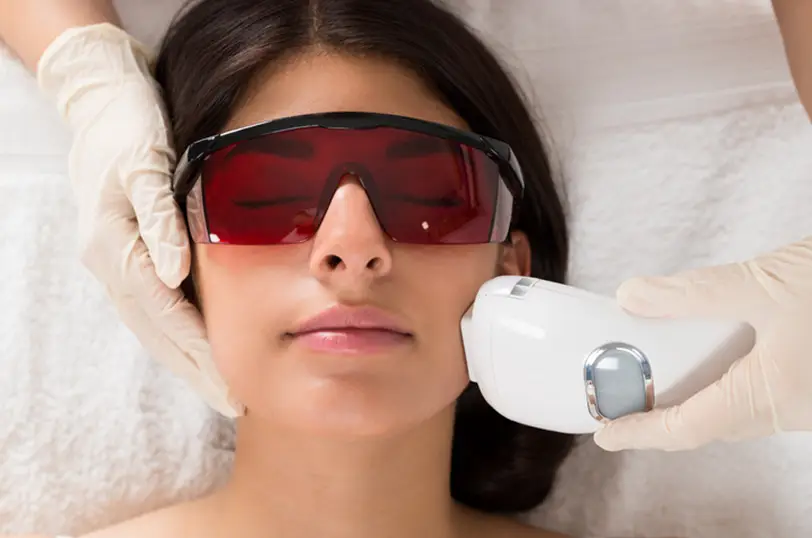
Designing With Reduced Motion For Motion Sensitivities What Makes Medical-Grade Laser Hair Removal Treatment More Effective Than Salons? Unwanted body hair can be a persistent concern, often requiring repeated shaving, waxing, or plucking—methods that are not only time-consuming but also temporary. As technology advances, laser hair removal has emerged as a long-lasting and convenient solution. But not all laser treatments are created equal. There’s a big difference between the laser hair removal services offered at salons and those available at a certified medical-grade clinic. In this blog, we will explore why medical-grade laser hair removal is more effective, safer, and ultimately a better investment than conventional salon treatments. From technology and safety to long-term results and customization, we’ll break down all the key factors that set the two options apart. What Is Laser Hair Removal? Laser hair removal is a non-invasive treatment that uses concentrated light energy to destroy hair follicles. The light is absorbed by the pigment (melanin) in the hair, which heats up and damages the follicle to reduce future growth. While the basic principle remains the same, the equipment, expertise, and protocols used can significantly influence the results—and that’s where medical-grade treatments stand out. Salon vs. Medical-Grade: A Side-by-Side Comparison Factor Salon Laser Hair Removal Medical-Grade Laser Hair Removal Type of Laser Technology Often IPL (Intense Pulsed Light), lower power FDA-approved, high-energy lasers (like Diode, Alexandrite, Nd:YAG) Treatment Customization Limited settings, not tailored to skin/hair type Fully customized based on skin tone, hair thickness, and area Operator Qualification Usually cosmetologists with short-term training Performed by trained dermatologists or certified medical professionals Safety & Hygiene Basic standards, variable sterilization Strict medical protocols, infection control, and sterile procedures Results Temporary reduction, frequent touch-ups required Long-term to permanent hair reduction, fewer sessions Suitability for Skin Types Not suitable for darker tones due to risk of burns Equipped with technology for all skin tones with minimized risk Pain Management Basic or no numbing options Medical-grade numbing agents and cooling systems for comfort Customization Based on Skin & Hair Type Not all skin types respond the same way to laser hair removal. Using the wrong settings can lead to burns, pigmentation issues, or ineffective treatment. Medical-grade centers conduct a detailed skin analysis and hair assessment before beginning treatment. This helps in: Choosing the right type of laser Adjusting pulse frequency and duration Ensuring the safest possible energy levels for your skin This level of personalization is rarely available in general beauty salons. Supervision by Certified Medical Experts One of the most critical advantages of medical-grade treatment is the presence of qualified professionals, including dermatologists, laser therapists, and trained aestheticians. They: Understand how to handle various skin conditions Can modify the treatment plan in real-time Manage side effects, if any, with clinical expertise This level of medical oversight adds a layer of safety and reliability that salons simply cannot offer. Faster, More Permanent Results Salon treatments may require more sessions (10–12 or more) due to weaker machines and inconsistent application. Many clients report hair regrowth just weeks after a session. On the other hand, medical-grade lasers can achieve up to 90% hair reduction in just 6 to 8 sessions. With proper intervals and maintenance, results are often long-term, with minimal touch-ups. Pain Management & Post-Care Support Salon treatments often skip numbing or pain control. In contrast, medical clinics offer: Topical anesthetics before treatment Advanced cooling systems integrated into devices Aftercare support, including soothing gels and follow-ups This not only makes the experience more comfortable but also minimizes skin irritation. Safety First: Side Effects and Risk Mitigation Poorly administered laser treatment can lead to burns, blistering, and pigmentation. In a clinical setting: Patch tests are done before the first session Devices are regularly calibrated and maintained Emergency protocols are in place for rare complications Safety is not optional—it’s integral to every step of a medical-grade procedure. Who Should Choose Medical-Grade Laser Hair Removal? Individuals with stubborn or dense hair growth People with darker skin tones Those who have experienced ineffective salon treatments Anyone looking for permanent results and safety assurance Conclusion: Choose Safety, Precision, and Results Laser hair removal is more than just a cosmetic procedure—it’s a medical treatment that requires skill, precision, and the right technology. Salons may offer convenience, but only medical-grade laser hair removal can promise long-lasting, safe, and effective results tailored to your individual needs. Trust your skin with professionals who understand it best. Dermavista – Hair | Skin | Laser | Aesthetics offers advanced, medically supervised laser hair removal treatments using FDA-approved technology and personalized protocols. Visit us at Aashirwad Hospital, Sukharia Nagar, Sri Ganganagar +91 77779 32255 Book your consultation today and take the first step toward smoother, hair-free skin!