+91-77779-32255
Dermavistaclinic@gmail.com

lalitbansal004

How Mesotherapy Can Help with Thinning Hair and Poor Scalp Health?

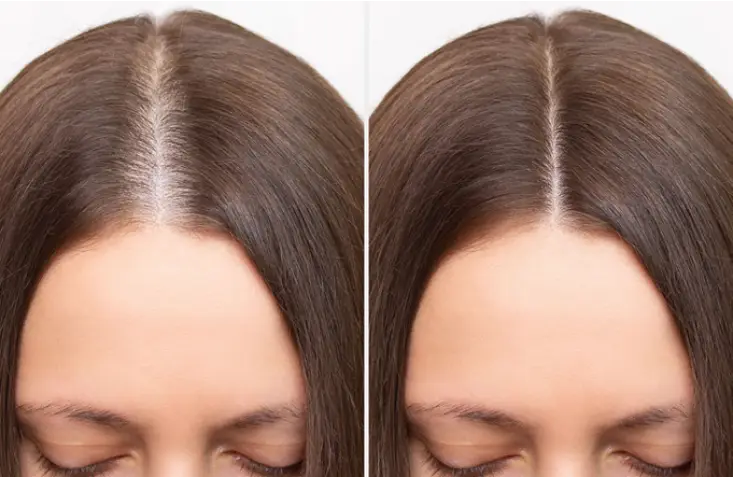
How Mesotherapy Can Help with Thinning Hair and Poor Scalp Health? Thinning hair and poor scalp health are increasingly common issues that affect both men and women across age groups. Whether caused by stress, genetics, hormonal imbalance, or poor lifestyle habits, hair thinning can lower confidence and self-image. While many products promise miracles, few treatments target the root cause effectively. Mesotherapy, however, is emerging as a scientifically-backed, minimally invasive solution that rejuvenates the scalp and encourages healthy hair regrowth. In this blog, we’ll dive into what mesotherapy is, how it works, its benefits, treatment expectations, and how it compares to other hair restoration techniques. What is Mesotherapy for Hair? Mesotherapy is a non-surgical cosmetic procedure that involves the injection of nutrient-rich liquids directly into the scalp. These microinjections deliver a customized cocktail of vitamins, enzymes, amino acids, and plant extracts directly to the middle layer of the skin (mesoderm), which is where the hair follicles reside. By nourishing this layer, mesotherapy boosts blood circulation, stimulates collagen production, strengthens hair roots, and improves scalp health. Key Ingredients Used in Hair Mesotherapy Ingredient Function Biotin Improves keratin structure and boosts hair growth Hyaluronic Acid Retains moisture, hydrates scalp Amino Acids Strengthens hair follicles, promotes collagen production Zinc Zinc Controls oil production and supports healthy follicle function Vitamins B1, B3, B5, B6 Enhance scalp metabolism, repair tissue, prevent hair thinning Plant Extracts Reduce inflammation, stimulate natural healing How Mesotherapy Works on Thinning Hair Stimulates Blood Circulation Poor blood circulation to the scalp often causes follicles to shrink or become inactive. Mesotherapy enhances microcirculation, ensuring that hair follicles receive the oxygen and nutrients they need to survive and thrive. Nourishes Hair Follicles Directly Unlike topical serums or oils that struggle to penetrate the scalp’s layers, mesotherapy delivers active ingredients directly into the mesoderm. This precise delivery results in faster and more noticeable improvements. Balances Hormonal Influence on Scalp Mesotherapy can counteract the effect of DHT (Dihydrotestosterone)—a hormone responsible for androgenetic alopecia (pattern baldness). Certain formulas inhibit DHT production locally, slowing hair loss. Improves Scalp Health Dry, flaky, or inflamed scalp can interfere with healthy hair growth. Mesotherapy rehydrates and soothes the scalp, creating a fertile ground for hair regeneration. Who Can Benefit from Hair Mesotherapy? Mesotherapy is suitable for both men and women suffering from: Early signs of thinning hair Telogen effluvium (temporary hair loss after stress or illness) Androgenetic alopecia Alopecia areata (patchy hair loss) Dry or oily scalp with dandruff Weak, dull, or brittle hair Post-pregnancy or hormonal hair fall Note: While mesotherapy can significantly slow hair loss and improve quality, it may be less effective on completely bald areas. What to Expect During and After the Procedure Session Details Description Duration 30 to 60 minutes per session Pain Level Minimal discomfort; numbing cream may be used Frequency Usually 6–8 sessions spaced 1–2 weeks apart Downtime None to minimal; slight redness or tenderness may occur Visible Results Generally noticeable after 3rd or 4th session Maintenance Monthly or quarterly sessions recommended for lasting results Tips to Enhance Mesotherapy Results Eat a protein-rich diet to support keratin production Avoid harsh shampoos with sulfates and parabens Stay hydrated to promote scalp hydration Massage your scalp regularly to encourage circulation Manage stress through yoga, meditation, or hobbies Avoid heat styling tools during your treatment cycle Realistic Expectations: Mesotherapy is Not a Miracle, But a Method It’s important to understand that mesotherapy doesn’t create new hair follicles. Instead, it rejuvenates existing ones, enhances the growth environment, and significantly improves hair density, thickness, and scalp health. Consistency and post-care are key for achieving and maintaining results. Is Mesotherapy Safe? Yes, mesotherapy is considered safe when performed by trained professionals. Side effects are minimal and may include slight itching, redness, or swelling, which typically subside within a few hours. At reputable aesthetic centers, sterile techniques and medically approved substances are used to minimize risks. Choose the Right Clinic for Mesotherapy Conduct scalp analysis before recommending treatment Customize the meso-cocktail based on individual needs Use CE or FDA-approved serums and equipment Offer follow-up support and scalp care guidance Visit us at Aashirwad Hospital, Sukharia Nagar, Sri Ganganagar +91 77779 32255 At Dermavista , our expert team specializes in non-surgical hair restoration techniques like Mesotherapy. We offer personalized consultations, advanced treatment protocols, and visible results you can trust. Let your journey to fuller, healthier hair begin today!
How Often Should You Get Skin Treatments for Best Results?

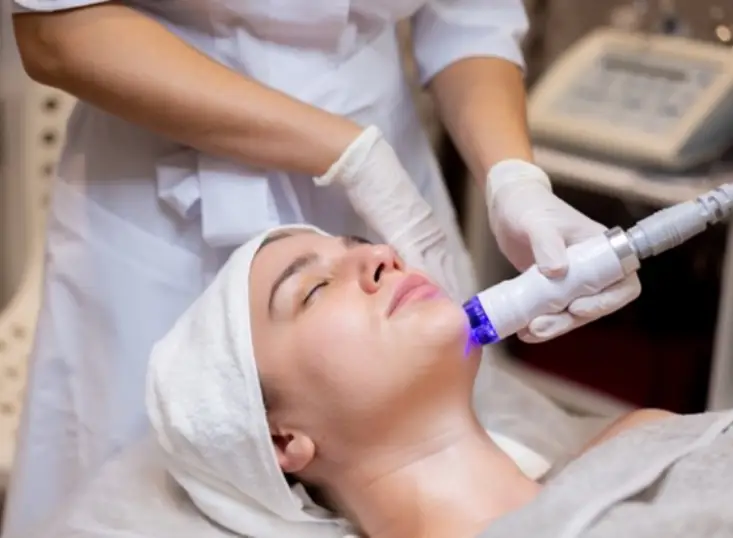
How Often Should You Get Skin Treatments for Best Results? How Often Should You Get Skin Treatments for Best Results? When it comes to maintaining healthy, glowing skin, regular skin treatments can work wonders. But how often should you actually go for them? The answer depends on a few factors—your skin type, concerns, treatment type, and goals. In this blog, we’ll break down everything you need to know about how often you should schedule your skin treatments for the best results. Why Regular Skin Treatments Matter? Your skin is constantly exposed to environmental damage, stress, aging, and hormonal changes. Even with a good at-home skincare routine, some issues require professional care. Regular skin treatments help: Deep-clean your pores Boost collagen and elastin production Improve skin texture and tone Reduce pigmentation, acne, and fine lines Slow down visible signs of aging How Often Should You Get Skin Treatments? Below is a general guideline depending on the type of skin treatment: Type of Treatment Recommended Frequency Ideal For Chemical Peels Every 4–6 weeks (light peels) Pigmentation, dullness, acne scars Chemical Peels Every 3–6 months (medium peels) Deep pigmentation, wrinkles, severe acne Microneedling (Collagen Induction Therapy) Every 4–6 weeks for 3–6 sessions Acne scars, fine lines, skin texture HydraFacial Monthly or bi-monthly All skin types, anti-aging, deep hydration Laser Skin Treatments Laser Skin Treatments Every 4–6 weeks for a set of 4–6 sessions Pigmentation, open pores, sun damage, hair removal Pigmentation, open pores, sun damage, hair removal Acne Treatment Weekly to bi-weekly (initially) Active acne, blackheads, oily skin Anti-Aging Treatments Every 4–6 weeks Fine lines, loss of elasticity Factors That Affect the Frequency Skin Type Oily or Acne-Prone Skin: May benefit from more frequent treatments like deep-cleansing facials, salicylic peels, or laser treatments to manage sebum and breakouts. Dry or Sensitive Skin: Requires gentler treatments at longer intervals, such as hydrating facials or enzyme-based peels. Combination Skin: Needs a balanced approach with different treatments for different zones. Skin Concerns Hyperpigmentation: Needs consistent treatments like chemical peels or laser sessions every 4–6 weeks. Aging Skin: Benefit from monthly anti-aging facials or microneedling to boost collagen. Acne and Scarring: More intensive schedules are needed initially, then maintenance once improvements are visible. Treatment Type Each treatment has a different impact on the skin and healing timeline. While facials are gentle and can be done more often, aggressive treatments like medium-depth chemical peels or laser resurfacing need recovery time. Season & Climate Summer: Better suited for hydrating facials or light peels. Winter: Good time for more intensive treatments like microneedling, since sun exposure is lower. Understanding the Skin’s Renewal Cycle Your skin naturally renews itself every 28–40 days. Aligning your treatments with this cycle helps achieve better results because: New skin cells are more receptive to active ingredients Dead cells are regularly removed, preventing clogged pores and dullness Treatment effects are reinforced with consistency At-Home Care Between Treatments In between your sessions, proper at-home skincare is essential to support the results. Here’s a simple routine: Morning: Gentle Cleanser Vitamin C Serum Lightweight Moisturizer Broad Spectrum SPF 50 Night: Cleanser Retinol (if suitable for your skin) Hydrating Serum (like Hyaluronic Acid) Night Cream Avoid over-exfoliating or using harsh products in between clinical treatments to prevent skin sensitivity. Expert Tips for Maximizing Results Always consult a dermatologist or certified aesthetician to determine the best treatment plan for your skin. Stick to a schedule: Skipping or delaying sessions can impact long-term results. Don’t mix treatments without guidance: Combining too many can damage the skin barrier. Hydrate well before and after treatments to support skin healing. Safety is not optional—it’s integral to every step of a medical-grade procedure. Personalized Plans Are Key No one-size-fits-all schedule works for everyone. At Dermavista – Hair | Skin | Laser | Aesthetics, every treatment begins with a skin analysis to understand your unique skin needs and goals. From there, a customized plan is developed to deliver visible, long-term improvements—without overdoing it. Final Takeaway Consistency is crucial when it comes to professional skin treatments. Most treatments work best when done regularly over time, based on your individual skin condition and goals. Whether it’s acne, pigmentation, or anti-aging, following the right schedule with expert support can truly transform your skin. For a personalized skin treatment schedule and expert care, book your consultation today at Dermavista – Hair | Skin | Laser | Aesthetics. Visit us at Aashirwad Hospital, Sukharia Nagar, Sri Ganganagar +91 77779 32255 Your skin deserves the best—trust it with experts

What Makes Medical-Grade Laser Hair Removal Treatment More Effective Than Salons?

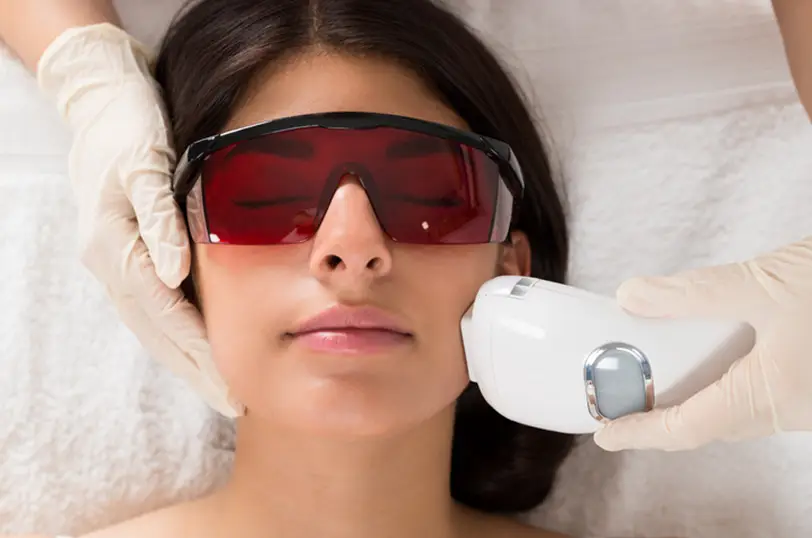
Designing With Reduced Motion For Motion Sensitivities What Makes Medical-Grade Laser Hair Removal Treatment More Effective Than Salons? Unwanted body hair can be a persistent concern, often requiring repeated shaving, waxing, or plucking—methods that are not only time-consuming but also temporary. As technology advances, laser hair removal has emerged as a long-lasting and convenient solution. But not all laser treatments are created equal. There’s a big difference between the laser hair removal services offered at salons and those available at a certified medical-grade clinic. In this blog, we will explore why medical-grade laser hair removal is more effective, safer, and ultimately a better investment than conventional salon treatments. From technology and safety to long-term results and customization, we’ll break down all the key factors that set the two options apart. What Is Laser Hair Removal? Laser hair removal is a non-invasive treatment that uses concentrated light energy to destroy hair follicles. The light is absorbed by the pigment (melanin) in the hair, which heats up and damages the follicle to reduce future growth. While the basic principle remains the same, the equipment, expertise, and protocols used can significantly influence the results—and that’s where medical-grade treatments stand out. Salon vs. Medical-Grade: A Side-by-Side Comparison Factor Salon Laser Hair Removal Medical-Grade Laser Hair Removal Type of Laser Technology Often IPL (Intense Pulsed Light), lower power FDA-approved, high-energy lasers (like Diode, Alexandrite, Nd:YAG) Treatment Customization Limited settings, not tailored to skin/hair type Fully customized based on skin tone, hair thickness, and area Operator Qualification Usually cosmetologists with short-term training Performed by trained dermatologists or certified medical professionals Safety & Hygiene Basic standards, variable sterilization Strict medical protocols, infection control, and sterile procedures Results Temporary reduction, frequent touch-ups required Long-term to permanent hair reduction, fewer sessions Suitability for Skin Types Not suitable for darker tones due to risk of burns Equipped with technology for all skin tones with minimized risk Pain Management Basic or no numbing options Medical-grade numbing agents and cooling systems for comfort Customization Based on Skin & Hair Type Not all skin types respond the same way to laser hair removal. Using the wrong settings can lead to burns, pigmentation issues, or ineffective treatment. Medical-grade centers conduct a detailed skin analysis and hair assessment before beginning treatment. This helps in: Choosing the right type of laser Adjusting pulse frequency and duration Ensuring the safest possible energy levels for your skin This level of personalization is rarely available in general beauty salons. Supervision by Certified Medical Experts One of the most critical advantages of medical-grade treatment is the presence of qualified professionals, including dermatologists, laser therapists, and trained aestheticians. They: Understand how to handle various skin conditions Can modify the treatment plan in real-time Manage side effects, if any, with clinical expertise This level of medical oversight adds a layer of safety and reliability that salons simply cannot offer. Faster, More Permanent Results Salon treatments may require more sessions (10–12 or more) due to weaker machines and inconsistent application. Many clients report hair regrowth just weeks after a session. On the other hand, medical-grade lasers can achieve up to 90% hair reduction in just 6 to 8 sessions. With proper intervals and maintenance, results are often long-term, with minimal touch-ups. Pain Management & Post-Care Support Salon treatments often skip numbing or pain control. In contrast, medical clinics offer: Topical anesthetics before treatment Advanced cooling systems integrated into devices Aftercare support, including soothing gels and follow-ups This not only makes the experience more comfortable but also minimizes skin irritation. Safety First: Side Effects and Risk Mitigation Poorly administered laser treatment can lead to burns, blistering, and pigmentation. In a clinical setting: Patch tests are done before the first session Devices are regularly calibrated and maintained Emergency protocols are in place for rare complications Safety is not optional—it’s integral to every step of a medical-grade procedure. Who Should Choose Medical-Grade Laser Hair Removal? Individuals with stubborn or dense hair growth People with darker skin tones Those who have experienced ineffective salon treatments Anyone looking for permanent results and safety assurance Conclusion: Choose Safety, Precision, and Results Laser hair removal is more than just a cosmetic procedure—it’s a medical treatment that requires skill, precision, and the right technology. Salons may offer convenience, but only medical-grade laser hair removal can promise long-lasting, safe, and effective results tailored to your individual needs. Trust your skin with professionals who understand it best. Dermavista – Hair | Skin | Laser | Aesthetics offers advanced, medically supervised laser hair removal treatments using FDA-approved technology and personalized protocols. Visit us at Aashirwad Hospital, Sukharia Nagar, Sri Ganganagar +91 77779 32255 Book your consultation today and take the first step toward smoother, hair-free skin!